.png)
The Yalta Conference
The Second World War lasted six long and bloody years, from September 1939, when Germany and Russia (officially the Soviet Union) invaded and split Poland between them, to summer 1945. Towards the end of the War, in February 1945, the British and American leaders, Churchill and Roosevelt, met with the Soviet leader, Joseph Stalin, at a fateful Conference in Yalta, a Soviet resort in Crimea, by the Black Sea. At that Conference they confirmed what we now know they had already been discussing for a couple of years: in the case of Poland, that the borders of the country would be moved Westwards, leaving nearly half the country in the East to become formally part of the Soviet Union, while large parts of former Germany to the West would be transferred to Poland. Cities like Lwów, today as big as Warsaw, and Wilno, both with prestigious universities, beautiful archtecture and numerous cultural and business institutions, which had been at the heart of Poland for centuries, were taken away. In return Germany had to concede great cities like Wrocław (Breslau) and Szczecin (Stettin) to Poland.
Much of the country taken by the Soviet Union under Yalta had already been under Russian occupation from the time of the German and Russian invasions in 1939, until summer 1941, when Germany suddenly betrayed and attacked its Russian partner. During this time the Russians, like the Germans, had taken hundreds of thousands of Prisoners of War. The Soviet security police, the NKVD, had then also shot and massacred many leading Poles such as over 15,000 officers, including leading Generals, politicians, policemen, postmen and the chief Rabbi of the Polish army, in what became known as the Katyn massacres. In addition, as part of an ethnic cleansing and social engineering campaign, they had deported perhaps a million people, including the families of the victims, the identifiable elite and whole villages of peasants and small farmers (the NKVD did not publish statistics) in unheated cattle trucks to Siberia, where they were left to fend for themselves in desperate conditions. Plays have been written about how, for example, a rabbi, two nuns, five peasants, a Jewish tailor and the local Catholic landlord got on in a train carriage for a week and then for years in the wastelands of Siberia, and who survived.
When Germany suddenly invaded its partner the Soviet Union in summer 1941, it pushed Russia involuntarily into the Allied camp. (The Allied camp at this stage was really just Britain, helped by Poland, as the United States only became an Ally when attacked by the Japanese at Pearl Harbour six months later in December 1941.) Stalin eventually permitted up to 150,000 half starved ex-Prisoners of War and deportees from Eastern Poland to leave Russia in 1942 under the leadership of General Anders, so that the soldiers could help defend the oil rich areas of Iran and the Middle East against possible German attack. General Anders later permitted Jewish soldiers who so wished to leave the Polish army to join the Israeli independence movement, while many other Jews stayed in the Polish army and continued loyally to fight the Germans. However hundreds of thousands of the Polish deportees in remote parts of Asia, who could not be notified or get out in time before Stalin changed his mind, took years to get out, or died there in extreme hardship.
The millions of people in the Eastern part of Poland who had not been not killed or deported by the Russians during these two years then (like those in the Western part of Poland, who had been under German occupation all the time) suffered another two years of brutal occupation by the Germans, who pushed deeply into Russia before eventually being turned back. This included for example the massacre of all professors of the University of Lwów, massacres of civilians by the Germans' Ukrainian allies, massacres of nearly all Jews and other suffering too extensive to be adequately described here. The small chances of survival of Jews earlier deported with other Poles to Siberia were ironically better than the negligible chances of survival of other Jews left behind in Poland itself, now entirely under German occupation.
The Yalta decisions in February 1945 meant that when the Second World War supposedly ended, millions of people left in the Eastern part of Poland, who had somehow survived the Russian and German occupations, now finally and irrevocably lost their homes and livelihood there and were deported to the ex-German territories in the West. A few somehow still remain in cities like Lwów and Wilno, there is still a Polish minority of 2 million in Belarus today, and other Poles are left scattered all over Asia to Kazakhstan and beyond.
Churchill and Roosevelt also agreed at Yalta that the newly shaped Poland would be part of the Soviet zone of influence, destined to be a communist country for ever. This meant that in both "old Poland", left over from before the War, and "new Poland", brought in from Germany, all businesses and investments were lost, all homes over a certain size were lost, all farms were lost and people had to move into small crowded flats. There were even people who returned to Warsaw, rebuilt their houses devastated by the war with Germany, and then found that they were expelled and their newly rebuilt houses confiscated in 1948.
People with "politically incorrect" social backgrounds could not get other than menial jobs. Anti-semitism was encouraged, contributing to the Kielce progom in 1946. The NKVD and the new Polish security police hunted down leading generals and fighters who had been fighting against the Germans for six years as part of the Home Army ("AK") in Poland, or with the British and other Allies in the West, also those who had risked their lives in underground schools, universities and other efforts to maintain Poland's identity and education under the German occupation. Perhaps another 100,000 people died in the resulting fighting and executions, a time when Poland was truly alone. Victims included sixteen leading politicians and army officers left in Poland after the War, whose names and addresses were given to the NKVD by the British (who had been promised by the Russians these individuals would not be harmed). Marcel Porowski, Mayor of Warsaw during the desperate 1944 Warsaw Uprising against the German occupation, was arrested by the communist authorities as late as 1951 and condemned to death, but luckily released in 1957. Another example is that of "Inka": as a young teenager she had been a nurse with the underground army fighting Germans. She was arrested for no apparent reason by the NKVD/Polish communist security police and then rescued by an AK unit, which she joined. She was arrested again later, breaching all international rules concerning the treatment of nurses, tortured and asked to reveal the identity and location of her army commander (whom Inka suspected the new communist rulers would execute). They said that if she refused she would be tried and condemned for herself fighting against the NKVD and Polish security police, which they openly admitted to be a false accusation, as many witnesses confirmed seeing her with first aid equipment not weapons. She still refused - a brave decision for a 17 year old girl - and so was tried and sentenced to be shot by a firing squad. The ordinary Polish soldiers, paid extra money by their communist rulers to shoot her, still "missed". The commanding officer had to go up to her and kill her with a single pistol shot in the face. It took years for the security police eventually to find her commanding officer Major Łupaszko, and he and other senior officers in his Brigade were shot in 1951. One of his officers successfully adopted the false identity Paweł Jasienica and became a famous historian, revealing his true identity when the regime relaxed long afterwards.
The Allied decisions were particularly shocking for Poles. The surviving Air Force, Navy and Army had been evacuated from Poland in 1939, when it became clear Poland could not win when invaded by both Germany and Russia, and had travelled thousands of miles to continue fighting in France and then from Britain. They believed they had made a major contribution to the British war effort including:
• Polish intelligence kick started the British Enigma deciphering efforts by giving British intelligence the deciphering programme and a model machine in August 1939;
• the Polish Air Force's world famous contribution to defending the UK in the Battle of Britain;
• fighting alongside the British in France, Narvik, North Africa, and numerous other locations;
• contributing to convoy protection. and numerous naval actions including defending ports and sinking the Bismarck;
• the famous victory of Monte Cassino in 1944 and other achievements of the Polish Army in Italy;
• wearing down the German fighting machine by more or less continuous attacks by the Home Army in Poland ("AK", which reported to the Government-in-Exile in London) from 1939 onwards, including most famously the desperate Ghetto Rising of 1943 and Warsaw Rising of 1944;;
• supplying the British with an example of a V1 rocket obtained in Poland;
• supplying the British with what The Times newspaper described as perhaps the most important intelligence secrets of the entire War, regularly obtained from the Agent code-named "Knopf", who worked closely with Hitler in German High Command, but whose identity the Poles rightly never revealed.
Britain had also Guaranteed in March 1939 that if Poland was ever attacked, Britain would come to its assistance at once with all means at its disposal.
In 1946 Ernest Bevin, the British Foreign Secretary, wrote to Polish soldiers who had been fighting with the British urging them to return to Poland. The vast majority understandably did not wish to return. One or two fighter aces who had fought so well in the Battle of Britain and did return to Poland were jailed and persecuted for years. The letter continued with an alternative invitation: the soldiers and their families could settle in the UK. So that is why so many Poles settled in Britain. Stalin also prevented Poland from benefiting from money the US poured into Western Europe under the Marshall Plan, and so Poland, with a communist economy, stayed poor long after countries like Germany, France and Italy had been able to recover from the destruction of the War and then became wealthier within the EU.
Zimna wojna
Wkrótce potem nastał okres napięcia między Zachodem a Związkiem Radzieckim, znany jako zimna wojna. W Polsce ludzie stopniowo dostosowywali się do swojego losu jako członkowie bloku komunistycznego i musieli radzić sobie z życiem: podążać za zachodnimi radami i współpracować z władzami, zdobywać pracę na uniwersytetach, w bankach, w znacjonalizowanych gałęziach przemysłu, a w wielu przypadkach wstąpić do partii komunistycznej jako warunek awansu, jeśli w ogóle nie udało się jej zdobyć. W Wielkiej Brytanii, pomimo zimnej wojny, panowała niechęć do antagonizowania Rosjan. Rząd brytyjski oficjalnie nie przyznał, że zbrodni katyńskiej dokonało NKWD, ani nie zezwolił polskiej społeczności na wzniesienie pomnika w miejscu o większym znaczeniu niż cmentarz Gunnersbury. Wielu Brytyjczyków jednak dzielnie pamiętało o polskim wkładzie w wojnę i pozostawało lojalnych i wspierających. Ich wyjątkowa postawa jest dziś z wdzięcznością wspominana.
W Polsce wielu mimo wszystko kontynuowało walkę o wolność:-
• w 1956 r. zamieszki robotnicze w Poznaniu doprowadziły do złagodzenia represji rządowych, ułatwienia podróży, zmiany rządu i zwrotu małych gospodarstw rolnikom;
• W 1968 roku nastąpiła nowa fala sprzeciwu ze strony intelektualistów i studentów. Rząd odpowiedział haniebną nową antysemicką czystką, obwiniając Żydów za problemy Polski i nakłaniając ludzi do demonstracji z transparentami z absurdalnymi hasłami, takimi jak „Syjoniści do Syjamu”. Wielu Żydów, którzy jakimś cudem przeżyli wojnę – niektórzy kolaborujący z komunistycznymi władzami, a inni będący bohaterami opozycji – zostało zmuszonych do emigracji. Ludzie jednak nie dali się nabrać, wiedzieli, że wina leży po stronie komunistów, niezależnie od tego, czy byli Żydami, czy nie. Niektórzy Żydzi pozostali, wielu z nich to bohaterowie opozycji, i są dziś czołowymi postaciami politycznymi i kulturalnymi w Polsce;
• w 1970 r. kolejne zamieszki robotnicze, głównie wzdłuż wybrzeża, wspierane przez intelektualistów, wymusiły kolejną zmianę rządu;
• wiele osób przez cały czas sprzeciwiało się reżimowi, pisało w prasie podziemnej, sprzeciwiało się niesprawiedliwości i zapłaciło za to utratą awansów lub całkowitą utratą pracy.
Rząd próbował wykorzystać okres po 1970 r. do poprawy wzrostu gospodarczego, zaciągając duże długi międzynarodowe, ale niestety nadal inwestowano w duże państwowe projekty, z których wiele było nieopłacalnych, więc większość inwestycji poszła na marne, a kraj stanął na krawędzi bankructwa.
1980
W 1980 roku stało się jasne, że kraj jest bankrutem i ceny żywności muszą zostać gwałtownie podniesione. W stoczniach ponownie wybuchły strajki i rozprzestrzeniły się po całym kraju, gdy miliony ludzi nagle odkryły, że ich sąsiedzi również są gotowi sprzeciwić się reżimowi. Powołano Komitet reprezentujący setki fabryk i instytucji, wspierany przez zespół ekspertów intelektualnych, i rozpoczęto negocjacje z rządem, który desperacko pragnął przywrócić wszystkich do pracy. Pod koniec sierpnia 1980 roku w stoczniach gdańskiej i szczecińskiej podpisano przełomowe porozumienia, na mocy których strajkujący mieli wrócić do pracy w zamian za szereg obietnic rządowych, w tym uwolnienie wszystkich więźniów politycznych. 17 września 1980 roku powstał Związek Zawodowy „Solidarność”, pierwszy wolny związek zawodowy w kraju komunistycznym. Jednak dla wszystkich obserwatorów było oczywiste, że sytuacja jest niestabilna – czy fala opozycji narasta i niszczy reżim, czy też prowokuje sowiecką interwencję, czy też rząd stawia opór?

Zdjęcie © 2026 Medical Aid For Poland Fund, Zbiory Archiwalne
Błogosławiony ks. Jerzy Popiełuszko
Wielkim przyjacielem naszego Funduszu, który zawsze oferował gościnę naszym ciężarówkom, gdy woziliśmy pomoc do kraju, był ksiądz Jerzy Popiełuszko. Był kapelanem środowiska medycznego od 1978 roku, a od 1980 roku proboszczem kościoła św. Stanisława Kostki na warszawskim Żoliborzu. Był postacią charyzmatyczną. Słynął z odprawianych przez tłumy „Mszy za Polskę” i cieszył się ogromnym wsparciem zwykłych ludzi. Nawet w najgorszych czasach stanu wojennego i reglamentacji żywności, otrzymywał żywność, ubrania i leki, które przekazywał rodzinom internowanych i represjonowanych. Był stale szpiegowany, atakowany i aresztowany przez Służbę Bezpieczeństwa. W październiku 1984 roku został aresztowany po raz ostatni, torturowany i brutalnie zamordowany.
W międzyczasie, przez lata, regularnie wysyłaliśmy pomoc do Polski. Nasza pomoc była kroplą w morzu potrzeb Polski, ale została niezwykle doceniona przez tych, którzy ją otrzymali.
Ojciec Jerzy został beatyfikowany przez delegata papieskiego arcybiskupa Angelo Amato z Watykanu podczas mszy świętej, w której uczestniczyło około 100 biskupów, 1600 księży i 150 000 wiernych na głównym placu Piłsudskiego w Warszawie, 6 czerwca 2010 r. Gorąco pragniemy, aby nadal modlił się za nasze wysiłki.
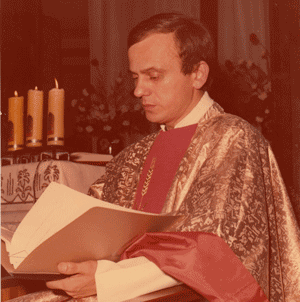

Zdjęcie Public Domain Photos of bł. ks. Jerzy Popiełuszko
1989
W latach po 1982 roku ludzie stopniowo odnosili zwycięstwa: Lech Wałęsa i inni internowani zostali uwolnieni, a próbne reformy gospodarcze zostały rozpoczęte, choć bezskutecznie. Na Zachodzie nastawienie zmieniło się również wraz z pojawieniem się polityków takich jak Ronald Reagan i Margaret Thatcher, którzy byli gotowi poprzeć dążenia do wolności w bloku komunistycznym.
Jeszcze w styczniu 1989 roku w Polsce mordowano księży, ale komunistyczny rząd doszedł do wniosku, że nie może wiecznie walczyć z narodem. Od lutego do kwietnia 1989 roku trwały przełomowe negocjacje Okrągłego Stołu między rządem a Solidarnością, które ostatecznie uzgodniły, że jedna trzecia posłów do parlamentu może być wybierana w wolnych wyborach, a nie de facto nominowana przez reżim komunistyczny. W czerwcowych wyborach powszechnych wszystkie te „wolne” mandaty zdobyła Solidarność. Później tego samego roku upadł Mur Berliński, a w następnym roku Polska była już praktycznie wolnym krajem, 51 lat po wybuchu wojny i 45 lat po wprowadzeniu komunizmu.
Później wielu różnych ludzi i polityków przypisało sobie zasługi za upadek komunizmu, co było dalekie od atmosfery panującej wśród rządów zachodnich po Jałcie.
335 ciężarówek
Łącznie nasz Fundusz wysłał do Polski 335 ciężarówek z pomocą, ostatnią w 1996 r. Wtedy stało się możliwe kupowanie w Polsce bezpośrednio dla szpitali i pacjentów sprzętu medycznego i materiałów medycznych, jak opisano w rozdziale

Zdjęcie © 2026 Medical Aid For Poland Fund, Zbiory Archiwalne
Dzisiaj
Upadek komunizmu umożliwił Polsce wprowadzenie wielu reform gospodarczych, które doprowadziły do stałej poprawy warunków życia. Polska przystąpiła do UE w 2004 roku, co przyciągnęło do Wielkiej Brytanii więcej osób poszukujących pracy. W kraju dokonał się znaczny postęp i pojawiła się nowa, bogata elita. Jednak miliony biednych ludzi na wsiach, w przemysłowych przedmieściach, w zamkniętych miastach fabrycznych i pozostawionych w najbiedniejszych regionach dzisiejszej Ukrainy, Białorusi i rozproszonych po całej Azji nadal potrzebują naszej pomocy.
Jan Ledóchowski,
Skarbnik
Nasz sklep charytatywny
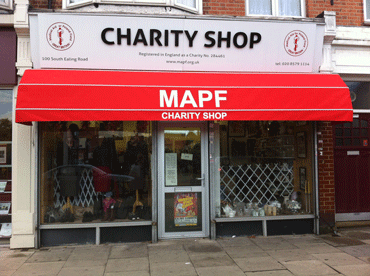
Fundacja Medical Aid for Poland prowadziła sklep charytatywny w latach 1998-2020.
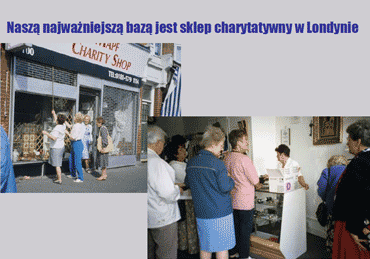
Nasz sklep charytatywny przy South Ealing Road 100 został otwarty przez burmistrza i proboszcza naszej parafii w lipcu 1998 roku. Przez około 20 lat sklep był naszym stałym źródłem dochodu. W 2012 roku roczny dochód brutto wyniósł 66 000 funtów. Oczywiście doszły do tego koszty: czynsz, prąd, ogrzewanie, telefon, opłaty lokalne i ogólne koszty administracyjne. Nadwyżka wystarczała na utrzymanie biura i administracji, dzięki czemu wszystkie darowizny mogły trafić do Polski.
Jednak wraz ze wzrostem dochodów rosło również obciążenie pracą. Ewa Kołodziejska i Krystyna St. Clair-Gribble zostały mianowane odpowiednio kierownikiem sklepu i zastępcą kierownika sklepu. Sklep opierał się na wolontariuszach. Aby sprawnie funkcjonować, potrzebowaliśmy co najmniej sześciu osób dziennie, pracujących na trzy i półgodzinnych zmianach. Znalezienie wystarczającej liczby wolontariuszy nigdy nie było łatwe. Niektóre panie (w ogóle nie mieliśmy panów) przychodziły dwa, a nawet trzy razy w tygodniu. Rada Powiernicza i Komitet Wykonawczy Funduszu Pomocy Medycznej dla Polski składają serdeczne podziękowania wszystkim, którzy pomagali nam przez lata, a w szczególności hojnym darczyńcom i niestrudzonym pomocnikom.
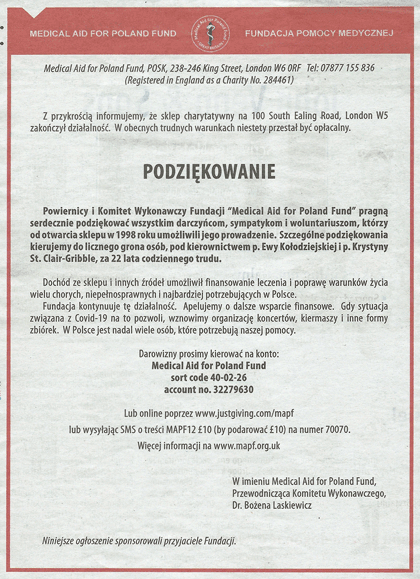
Pandemia COVID-19 w 2020 roku uniemożliwiła prowadzenie sklepu. Niestety, zarząd nie miał innego wyjścia, jak tylko podjąć decyzję o jego zamknięciu.